My Farmers-Market Vendor of Six Years Told Me What She Does to Her Own Vegetables Before Her Family Eats Them
It wasn't what I expected. And after what I saw in a bowl of cherry tomatoes I had already washed, I now do it too. The photo is in this article.

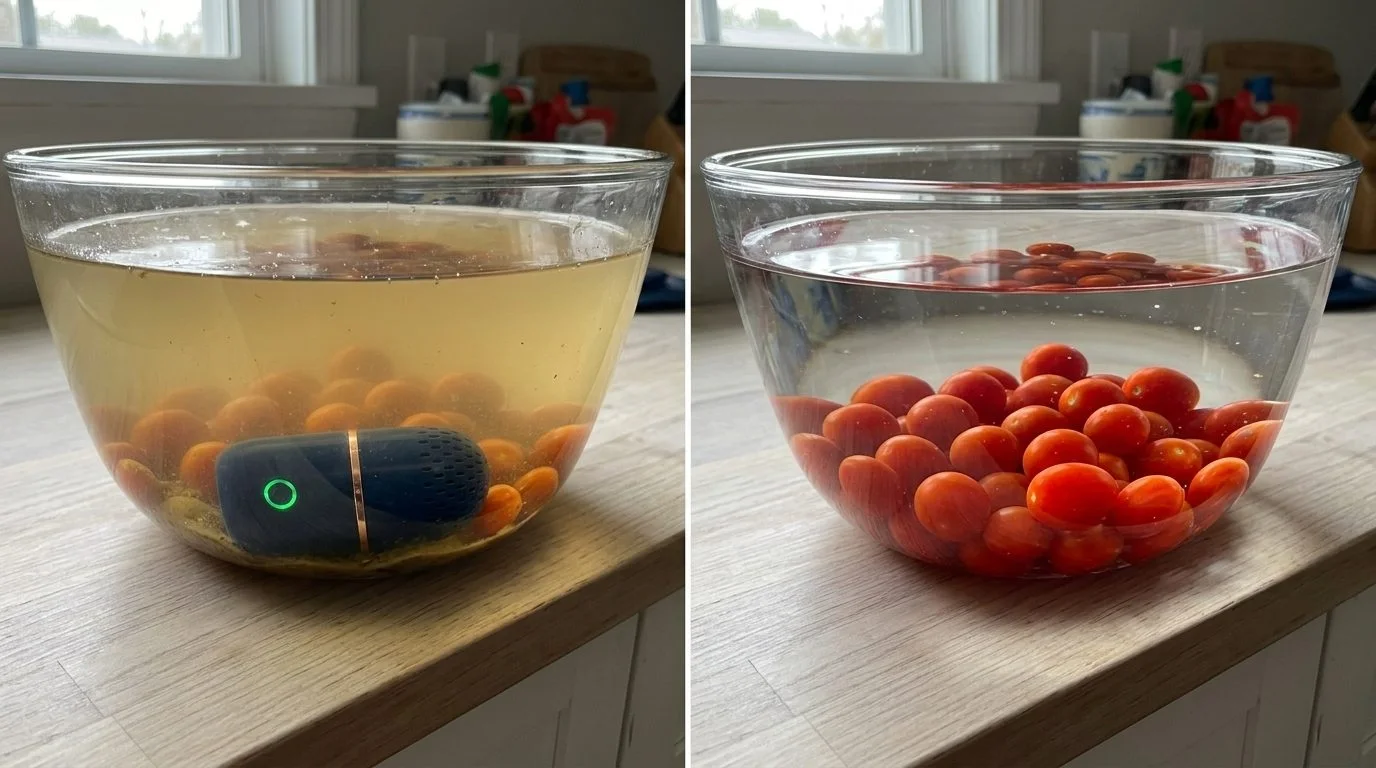 Before
After
I've bought vegetables from the same woman at my Saturday farmers market for six years. Last month she lowered her voice and told me she wouldn't eat her own certified produce — the produce she grows — after "just a rinse." Then she told me what she does instead.
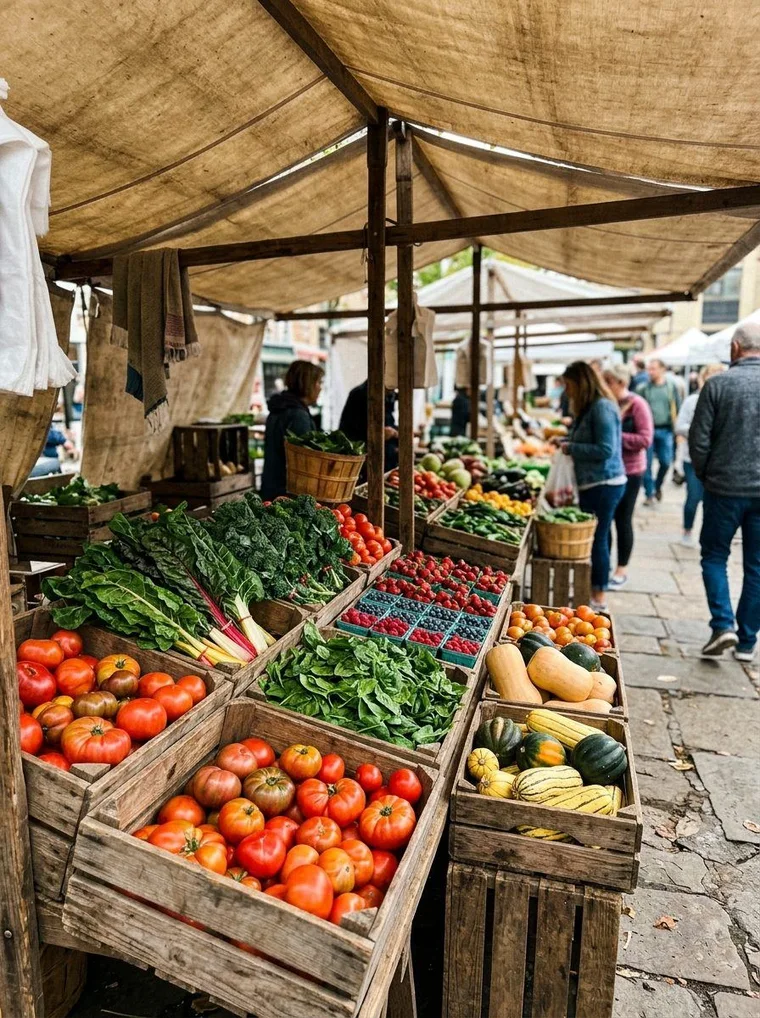
Some background first. I'm forty-six, I live in Madison, Wisconsin, and the Saturday farmers market has been my ritual for years. Same route through the stalls, same canvas tote, and the same last stop: Marta's stand. Marta is a farmer in her late fifties who sells what she grows — tomatoes, kale, carrots, berries in the summer. Certified, careful, the kind of vendor who pulls a bruised tomato out of your bag and swaps it before you notice.
If you'd asked me who I trusted most about food, I'd have said Marta without blinking. Which is exactly why what she told me landed the way it did.
Here's my confession: this spring, life got busy — two kids, a job, a house — and I'd started skipping the market some weekends and grabbing the "pre-washed" bags at the supermarket instead. Triple-washed lettuce, ready-to-eat baby carrots. It felt like a reasonable shortcut. Washed is washed, right?
The conversation I can't stop thinking about
One Saturday in June I was at Marta's stand, apologizing for missing a few weekends, and I mentioned the pre-washed bags. I said it lightly, like a joke on myself. "At least they're already washed."
Marta stopped weighing my tomatoes.
You know "pre-washed" mostly means it went through a big water bath with a few thousand other bags, right?
I laughed. She didn't. She glanced at the customers next to me, and then she leaned in and lowered her voice — the way you do when you're about to say something you're not supposed to say at your own stand.
Can I tell you something? Even my own produce — certified, the cleanest thing I can grow — gets a proper purifier bath at home before my family eats it.
I must have looked confused, because she kept going.
A rinse moves dirt around. It doesn't take off what's bonded to the skin. Wax, spray residue, the film from every hand that touched it — that doesn't come off under a tap. I work in this stuff all week. I know what's on it.
I stood there holding my tote like an idiot. This is the woman who grows the vegetables. And then she said the sentence I've repeated to probably twenty people since.
I sell the cleanest produce at this market. I still wouldn't eat it after just a rinse. Marta, produce farmer — my vendor of six years

So I asked the obvious question: what on earth is a "purifier bath"?
The little pod she pulled out of her cooler bag
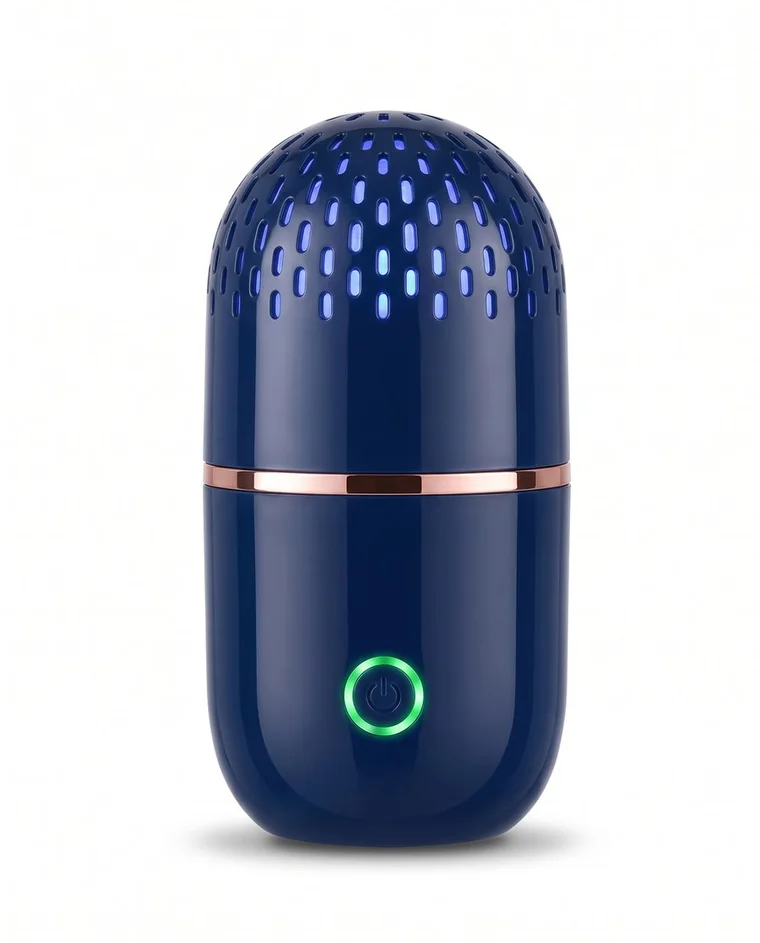
She reached under the table, dug around in her cooler bag, and set a small navy-blue pod on the scale. Rounded, about the size of a large avocado. Hers was scuffed and clearly used daily.
Fill a bowl with water, produce goes in, this goes in, press the button. Ten minutes, hands off. Then look at the water. The water tells you everything.
She said it the way you'd recommend a good paring knife. No pitch, no drama. It's called PodBloom, and she'd been using hers for over a year — every market day, on the produce she was about to feed her own grandkids.
"They sell it directly," she said. "Look up PodBloom — their website. It's the only gadget in my kitchen I actually use every day."
What I found when I looked it up that night
I'm not a gadget person, and "wellness devices" usually make my eyes roll. So before ordering anything I spent an evening actually reading — and this is the part that surprised me, because the science underneath it isn't new or fringe.
The pod works by electrolysis: titanium electrodes split ordinary tap water and generate active OH ions — no chemicals, no soaps, no cartridges or refills. Those ions break down what a rinse can't touch: pesticide residue, the wax coating on supermarket produce, and the surface grime that's bonded to the skin. When the residue breaks down, you can literally see it — the water changes color while the produce comes out clean.
Electrolyzed water has a real body of peer-reviewed research behind it. In published studies, treating produce with it removed roughly 40–86% of specific pesticide residues, depending on the pesticide and the produce — one study measured up to 85.7% of phosmet removed from spinach. To be clear: no washing method removes everything, and anyone who promises 100% is selling you a fantasy. But compared to what a tap rinse does — which researchers politely describe as "limited" — it's not a close contest. I've linked the studies at the bottom of this article.
The practical details sealed it for me: it runs about ten minutes hands-free, it's fully waterproof (IPX7), it charges wirelessly on a fast-charge base, and the head detaches so you can rinse the pod itself clean. No filters to buy ever. I ordered one that night.
My first use: the tomatoes I had already washed
It arrived three days later, smaller and heavier than I expected — it feels like a well-made tool, not a toy.
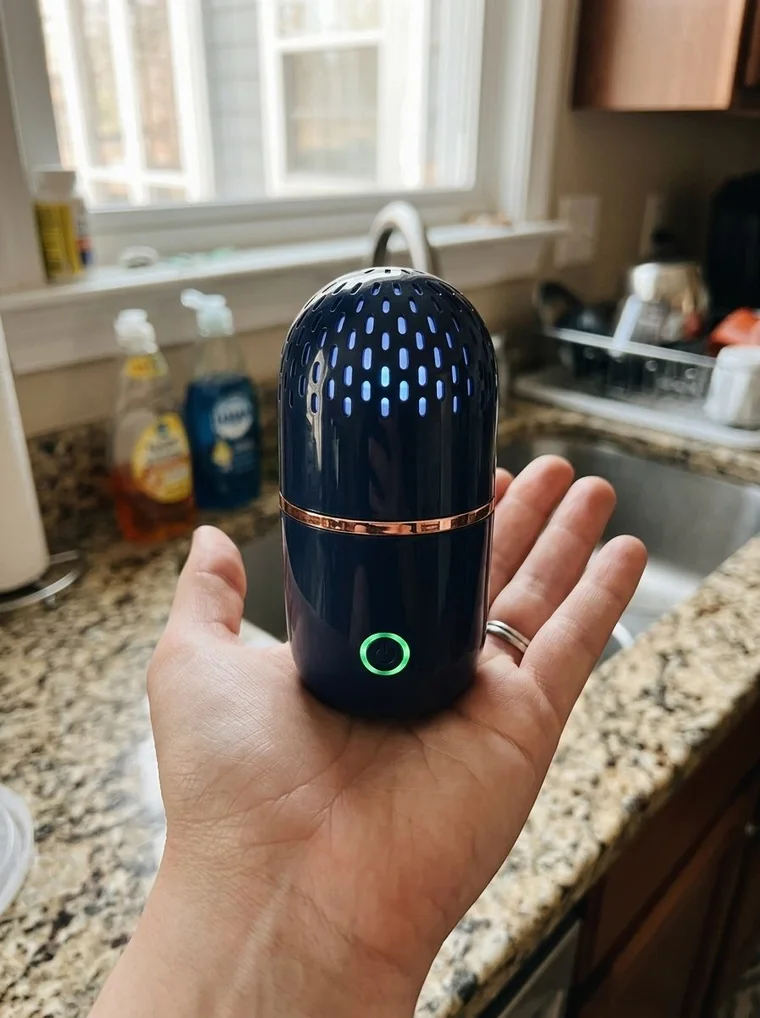
I decided to test it the meanest way I could think of. I took a box of cherry tomatoes, rinsed them under the tap the way I have my entire adult life — thoroughly, rubbing them with my thumbs — and then put those already-washed tomatoes in a bowl of clean water with the pod. Pressed the button. Went to unpack the rest of the groceries.
Ten minutes later I came back, and I actually said "oh no" out loud in my empty kitchen.
The water was murky. Not slightly cloudy — murky, with a faint yellowish film on the surface. From tomatoes I had just washed. That water is what my family would have eaten. The photo at the top of this article is that exact bowl, because I grabbed my phone before I could talk myself out of believing it.
Two weeks in
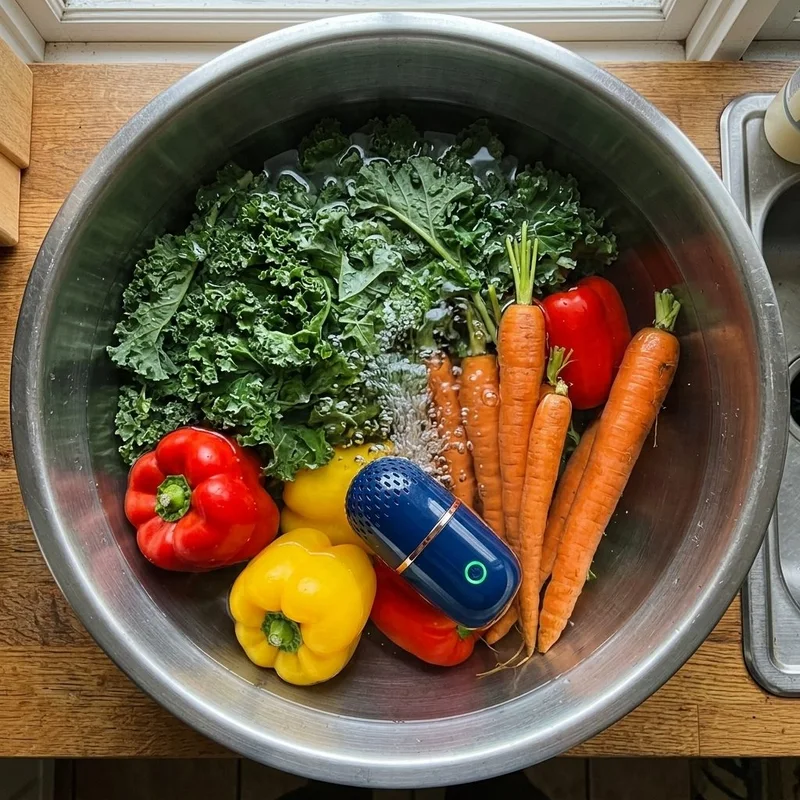
It's been two weeks, and the pod has quietly replaced a bunch of things I used to do. The vinegar soaks — gone (along with the vinegar smell on my strawberries). The baking-soda scrub for apples — gone. Now everything that comes into the house goes through one ten-minute bath while I put the rest of the groceries away. Zero extra effort. My eight-year-old presses the button.
The thing I didn't expect: berries last noticeably longer. Strawberries used to start going fuzzy in my fridge by day three. The last batch went a full week and got eaten before they even had a chance to turn. Once you take the surface gunk off, apparently the mold has less to work with — Marta could have told me that, and in fact she did, with a shrug, like it was obvious.

Last Saturday, Marta spotted my tote and raised an eyebrow. "You ordered it, didn't you?" I told her about the tomato water. She just nodded, completely unsurprised, and dropped an extra handful of cherry tomatoes in my bag.
PodBloom is running an introductory offer right now: 70% off, a 30-day money-back guarantee, and fast tracked shipping. No refills, no cartridges — one pod, ordinary tap water.
Yes — Send My PodBloom & Save 70% →It wasn't just me
After the tomato incident I went looking for other people's experiences, and the same notes kept repeating: the shock of the first murky bowl, produce lasting longer, and the vinegar bottle getting retired.
I was a hard skeptic. Ran it on grapes I had already rinsed and the water turned cloudy gray. I stood there staring at it. My husband ran his apples through it the next morning without me saying a word.
We did vinegar soaks for years. This is easier, there's no smell, and honestly the water after a cycle shows it's doing more than the vinegar ever did. Ten minutes hands-free is the best part — it runs while I cook.
Strawberries used to mold in 2–3 days in my fridge. After running them through the pod they last most of the week. That alone pays for it in wasted fruit. Also my kitchen doesn't smell like a salad dressing factory anymore.
Got it when we started solids with our daughter because I wanted her food as clean as possible without scrubbing everything with soap (don't do that, by the way). Now literally everything goes through it. It's part of unloading groceries.
What sold me: no cartridges, no filters, no subscription nonsense. Charge it, drop it in a bowl, done. It's IPX7 so you just rinse the whole thing off. Feels well built. Been using it daily for two months.
Would I recommend it?
Yes — and I already have, to the twenty people who've heard the Marta story. My sister ordered one after watching my tomato-water photo load in our group chat. My neighbor borrowed mine for a weekend and then wouldn't give it back until hers arrived.
Here's the thought I keep coming back to. Marta grows the food. She controls every single thing that happens to it from seed to stall — and she still gives it a purifier bath before her family eats it. If the person with the most information and the cleanest produce does that, what does that say about the waxed, shipped, thousand-hands supermarket produce the rest of us are rinsing for four seconds?
That thought is why the pod is on my counter for good.
And they back it with a 30-day money-back guarantee — run it on your own "already washed" produce, and if the water stays clean, send it back. Based on my kitchen, I wouldn't count on the water staying clean.
70% off while the introductory offer runs. 30-day money-back guarantee — if you're not convinced after your first murky bowl, send it back. No chemicals, no refills, ever.
Yes — Send My PodBloom & Save 70% →A note on disclosure
This article contains affiliate links. Health & Wellness Daily may earn a commission if you choose to purchase via a link on this page, at no additional cost to you. The editorial content (the personal account and the recommendation) was produced independently of the commercial arrangement.
Sources & further reading
Pesticide-residue removal figures above come from peer-reviewed research on electrolyzed-water produce washing, including studies in Food Chemistry (2021) on fresh-cut cabbage, broccoli and pepper; Food Control (2017) on electrolyzed oxidizing water treatment of fresh produce; Postharvest Biology and Technology (2018) on stone fruit; and a 2024 systematic review in Food Production, Processing and Nutrition. Reported removal rates vary by pesticide, produce type and treatment time; no washing method removes all residues. For which produce carries the most residue, see the EWG "Dirty Dozen" shopper's guide.
Run it once on produce you've already washed. If the water comes out clean, send it back within 30 days for a full refund. It won't come out clean.
Yes — Send My PodBloom & Save 70% →
Reader comments (264)